One Mechanic Who Inspects the Whole Machine
Heavy equipment mechanics in Spartanburg for excavators, skid steers, and dozers that need on-site repair
Small contractors running one or two pieces of heavy equipment face a specific problem when something breaks: the machine is their operation, and every hour it sits down is an hour of lost production with no way to offset the cost. Ironclad Mobile Heavy Repair was built specifically for that situation—a solo mobile mechanic who travels to your job site in Spartanburg and surrounding areas to repair excavators, skid steers, and dozers without requiring you to trailer the machine to a shop. Because Ironclad operates independently without shop overhead, the hourly rate reflects actual labor rather than the markup layered in by larger operations.
On arrival, the mechanic does not limit the inspection to the reported failure. Every part on the machine frame is assessed, all fasteners are checked and tightened, every grease point is serviced, and worn components are identified before they become the next breakdown. That approach means the visit addresses what brought the machine down while also catching what would have brought it down next week. Ironclad currently handles regular maintenance for grading companies, dumpster operations, dump truck fleets, and transmission shops as their only referred mobile mechanic—a client base built entirely through word-of-mouth referrals from operators who depend on uptime.
To schedule a repair or a full machine inspection, call Ironclad Mobile Heavy Repair and describe the equipment type, the reported failure, and the job site location.
What a Full Machine Inspection Actually Covers
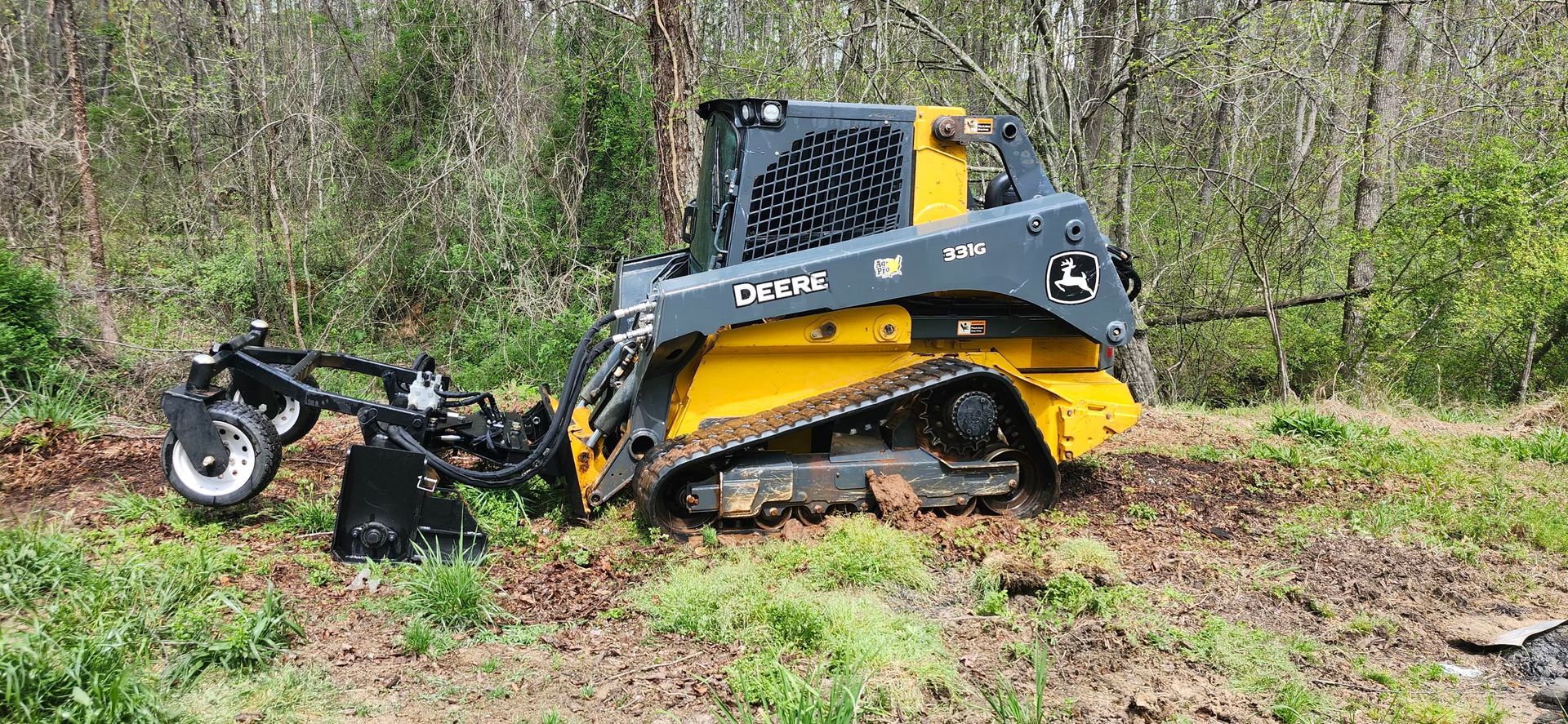
Most mobile mechanics respond to the symptom—the hydraulic line that burst, the track that came off, the electrical fault that shut the machine down. Ironclad's inspection protocol works through every system on the frame regardless of the reported problem, because breakdowns on heavy equipment rarely happen in isolation. A loose fastener on a mounting bracket, a dry grease point on a boom pin, or a worn seal on a cylinder are each capable of becoming the next emergency if they are not caught and addressed during the same visit.
After the repair and inspection are complete, the operator can see the serviced grease points, the replaced components, and any items flagged for near-term attention. That documented condition review is what separates a responsive repair from a reactive one—you leave the visit knowing the machine's actual condition rather than just knowing the immediate problem was fixed. Contractors who run Ironclad on a regular maintenance schedule consistently avoid the kind of unplanned breakdown that kills a production day with no warning.
The repair visit covers all labor for the inspection and the repair itself. If replacement parts are needed that are not on the truck, the mechanic identifies them precisely so they can be sourced without a second diagnostic visit. For contractors operating multiple machines, the same inspection protocol applies to each unit.
Questions About How Heavy Equipment Repair Works
The questions below focus on how the repair process works in the field—what the mechanic does on arrival, how the inspection is structured, and what operators should expect once the work is finished.
What does the mechanic check when inspecting an excavator or skid steer on site?
The inspection covers every part on the machine frame: fasteners are checked and torqued, all grease points are serviced, hydraulic fittings and lines are examined for seepage, and any wear on pins, bushings, or tracks is noted. The reported failure is repaired, and anything else found during the inspection is documented for the operator.
How is a mobile repair different from taking the machine to a shop?
When the machine goes to a shop, you pay for transport, wait for a bay to open, and receive a repair scoped only to what the shop was told to fix. A mobile repair happens at your site on your schedule, and Ironclad's protocol inspects the entire machine during the same visit rather than limiting work to the stated complaint.
Why does greasing every point on the machine matter during a repair visit?
Dry pins and bushings accelerate wear at exactly the load points that determine the machine's working life—a boom pin that runs dry long enough will wallowed the bore and require a far more expensive repair than a routine grease interval would have cost. Servicing every point during a visit prevents that compounding.
What should an operator notice after a full inspection and repair are completed?
The machine should return to normal operating feel—no hesitation in the hydraulic response, no unusual noise at the pins or tracks, and all fasteners tight so nothing vibrates loose during the next shift. Any components that were replaced will be identifiable by their condition relative to the surrounding hardware.
How does operating in Spartanburg and the surrounding area affect how the mechanic structures the visit?
Grading and construction sites throughout the area vary in accessibility, and the mechanic brings the tools and fluids needed to complete most repairs without requiring a flat, paved surface or a nearby power source. The visit is structured to work around the job site conditions rather than requiring the machine to be relocated.
Ironclad Mobile Heavy Repair also provides heavy equipment repair in Spartanburg, Greenville, Charlotte, Greensboro, and Augusta. To arrange a repair visit or a full machine inspection, call (828) 606-0069 with your equipment type and site location ready.